

Mines to Mills
MS Life 600+ is produced through a combination of superior processes in our state-of-the-art integrated steel plant. Complete control over the entire process. That is the advantage.
MS Life Manufacturing Process Flow
From virgin raw materials (Iron Ore, Lime Stone, and Coal) to certified Fe 600+ CRS TMT bars and prefabricated Cut & Bend steel. Click any step below to inspect its operational parameters, temperature, and quality controls.
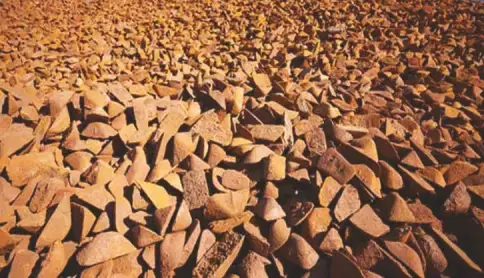
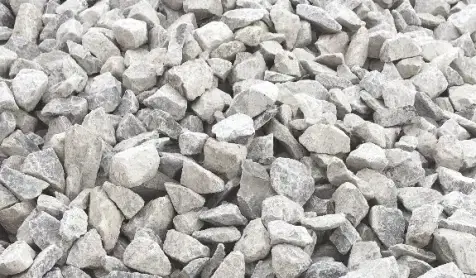
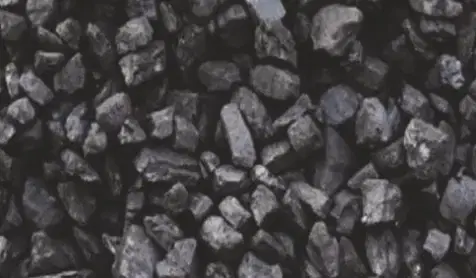



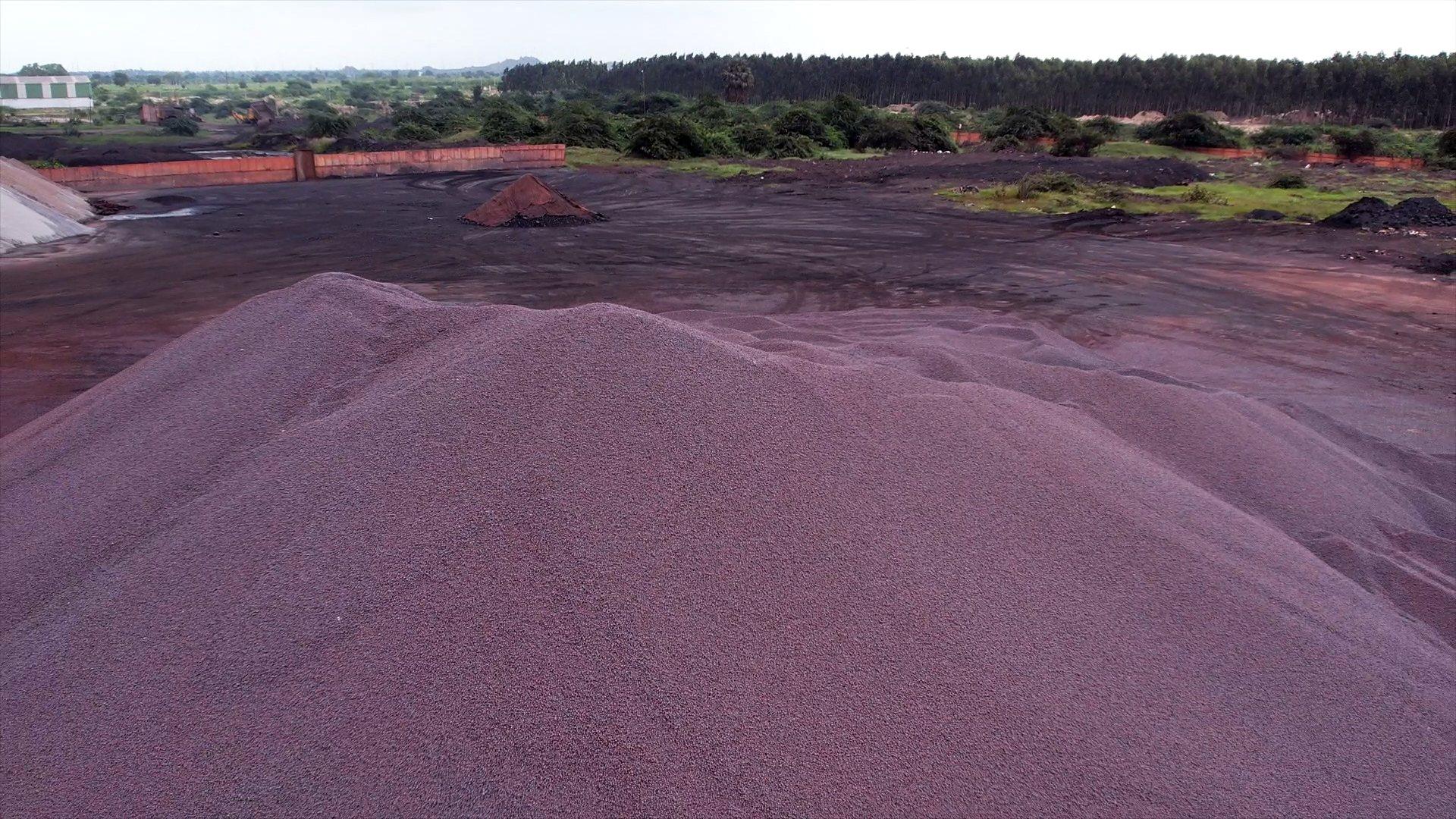
Raw Materials (Iron Ore + Lime Stone + Coal)
MS Life sources pure virgin raw materials: high-grade Iron Ore lumps, high-purity Limestone flux, and low-ash non-coking Coal from prime reserve mines. No scrap or questionable inputs are ever used.
- •Iron Ore (Fe): 64%+ pure iron hematite lumps
- •Lime Stone (CaCO3): Calcined flux for slag dephosphorization
- •Coal (C): Low-ash non-coking thermal reducing agent
The full process, stage by stage
Scroll through the route every MS Life bar takes, from ore to dispatch.
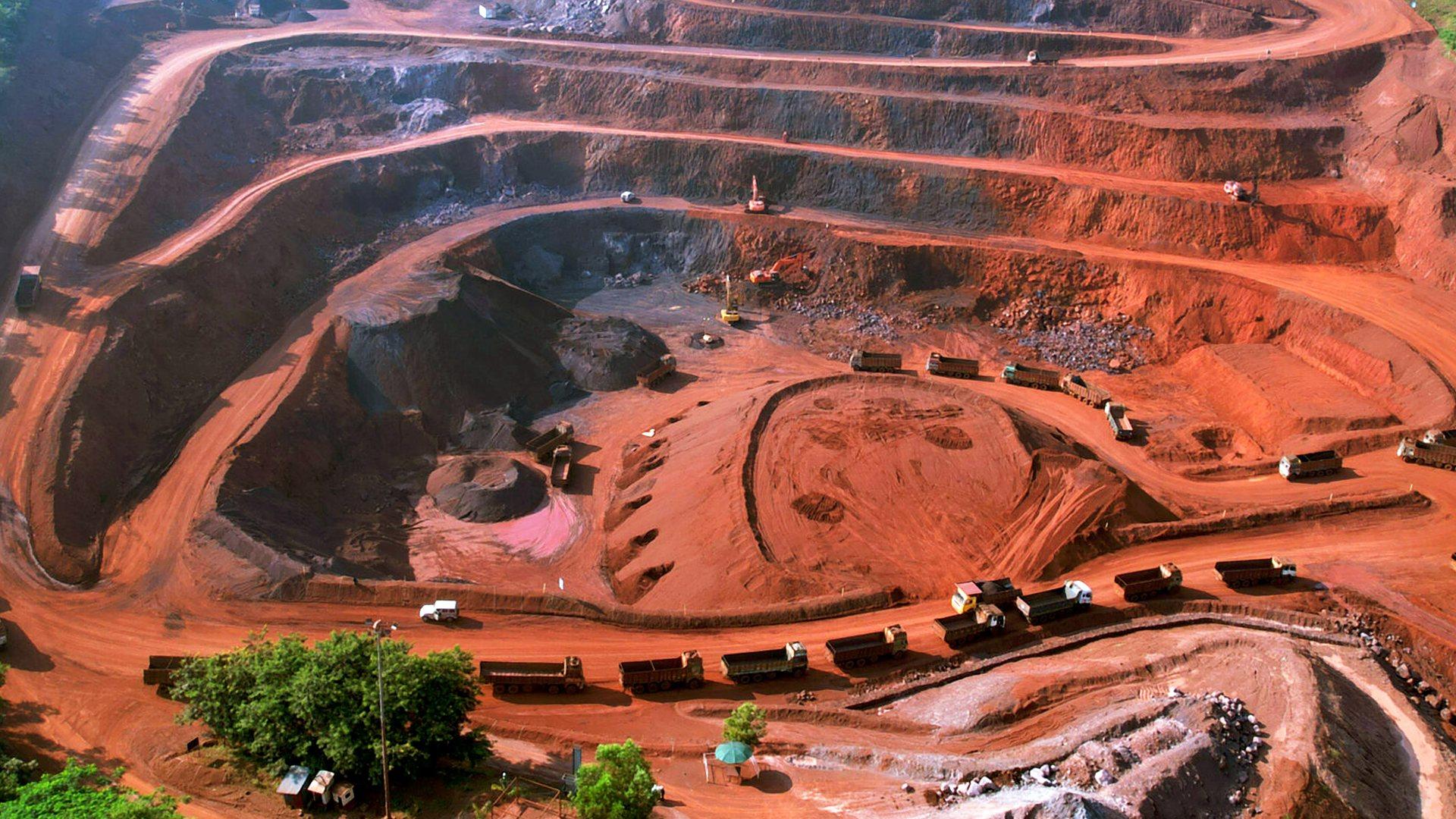
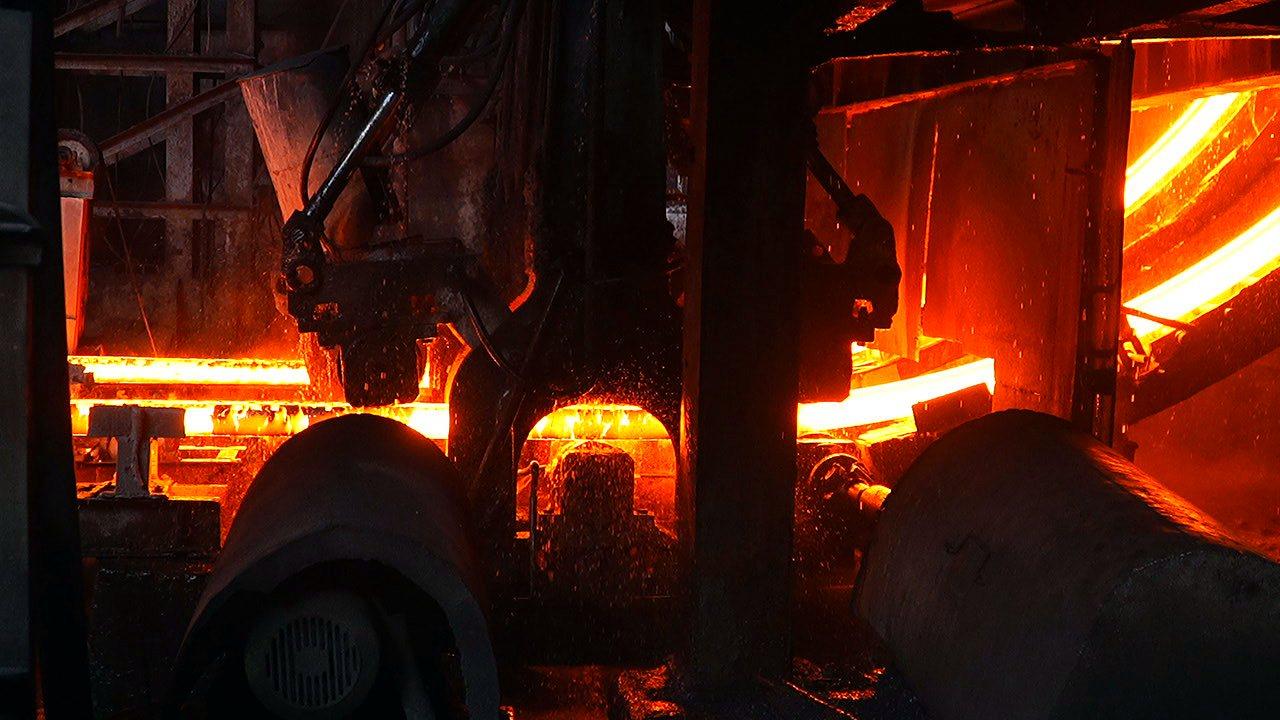
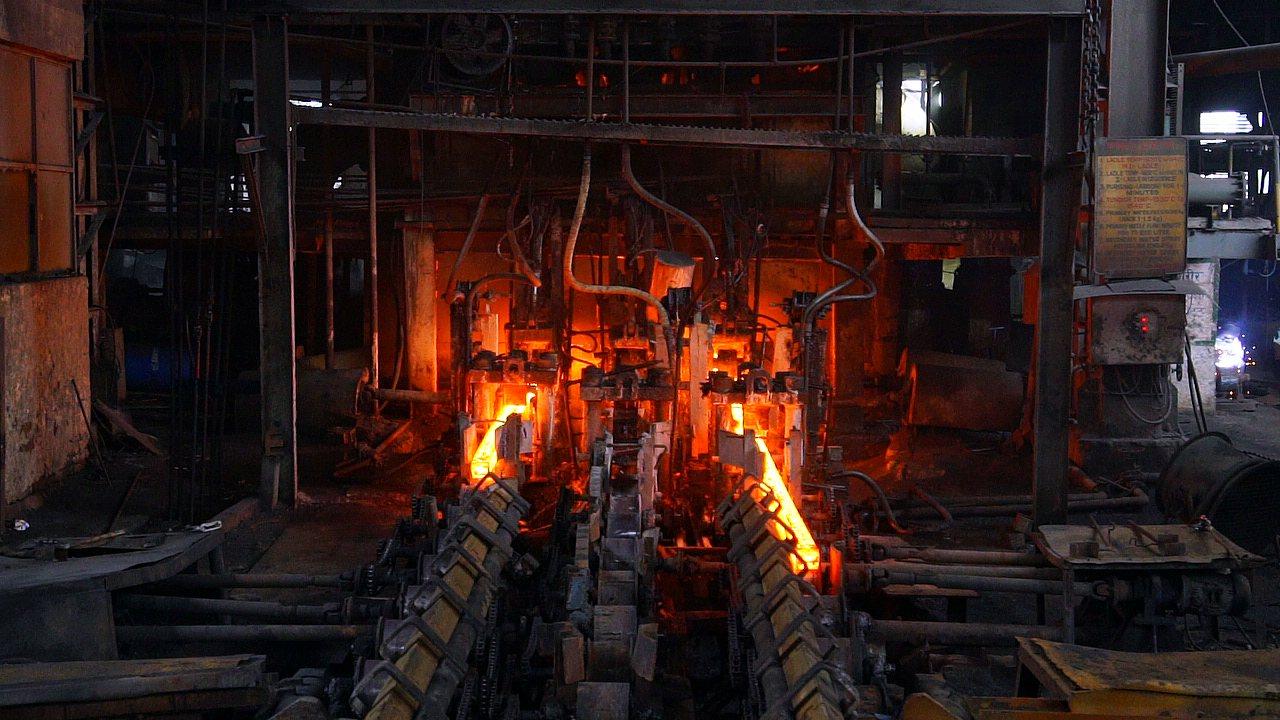
- Stage 01
Iron Ore, Limestone & Coal + Testing Lab
High-grade iron ore, limestone and coal, rigorously verified in our testing laboratory before entering the kilns. Pure virgin raw materials guarantee unmatched metallurgical purity.
VIRGIN RAW MATERIAL TRIOZero Contaminated ScrapIron OreVirgin Fe OreLime StoneFluxing AgentCoalThermal Carbon - Stage 02
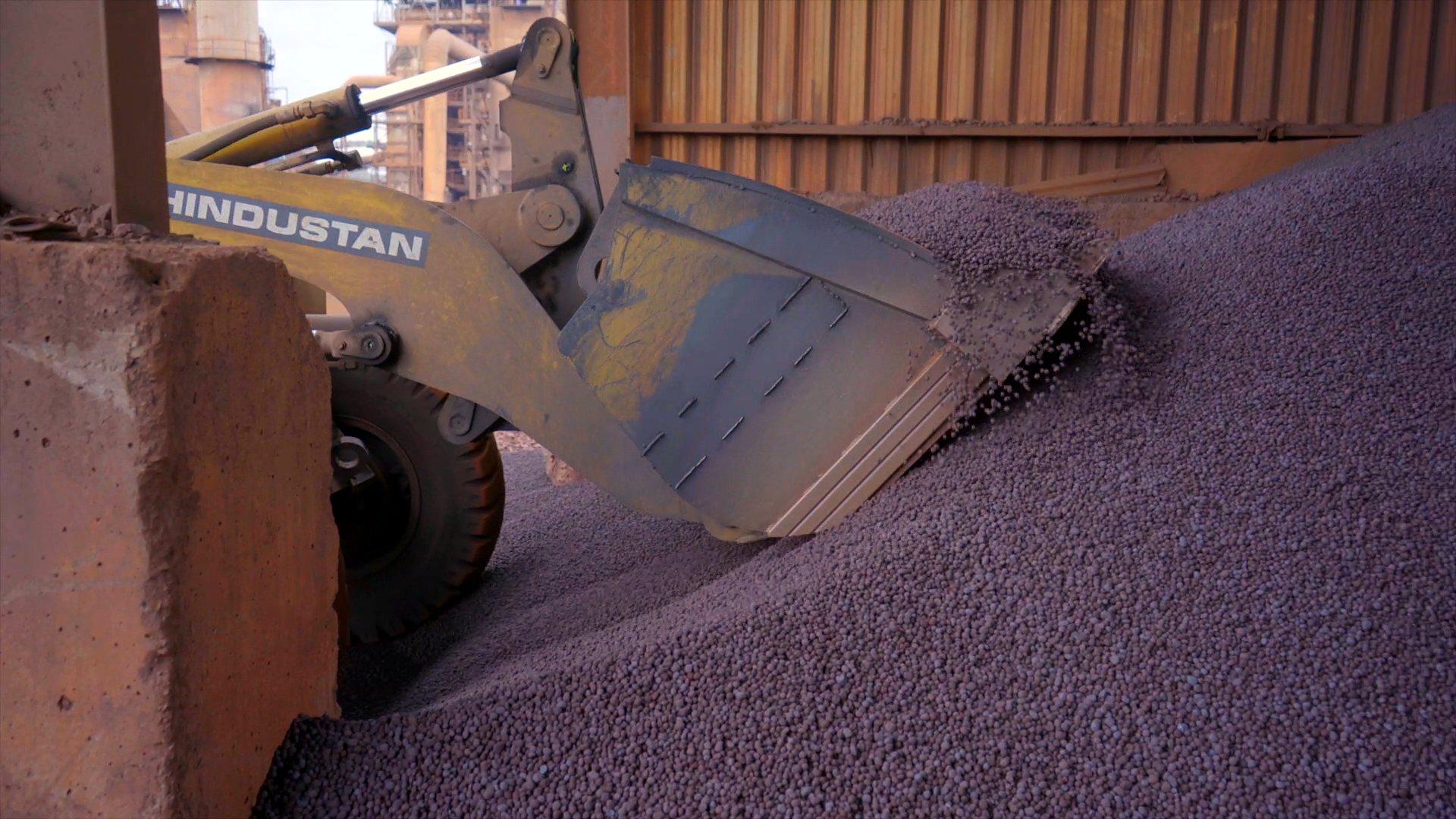
DRI Unit & Sponge Iron
Rotary kilns reduce iron ore with coal and fluxing agents to produce clean Direct Reduced Iron (Sponge Iron), forming the primary iron base for every MS Life bar.
- Stage 03
Steel Melting Furnace & Continuous Billet Caster
Liquid steel refined in our steel melting shop is continuously cast into prime billets, with spectrometer analysis and chemical property testing locking in the exact low sulphur-phosphorus composition.
- Stage 04
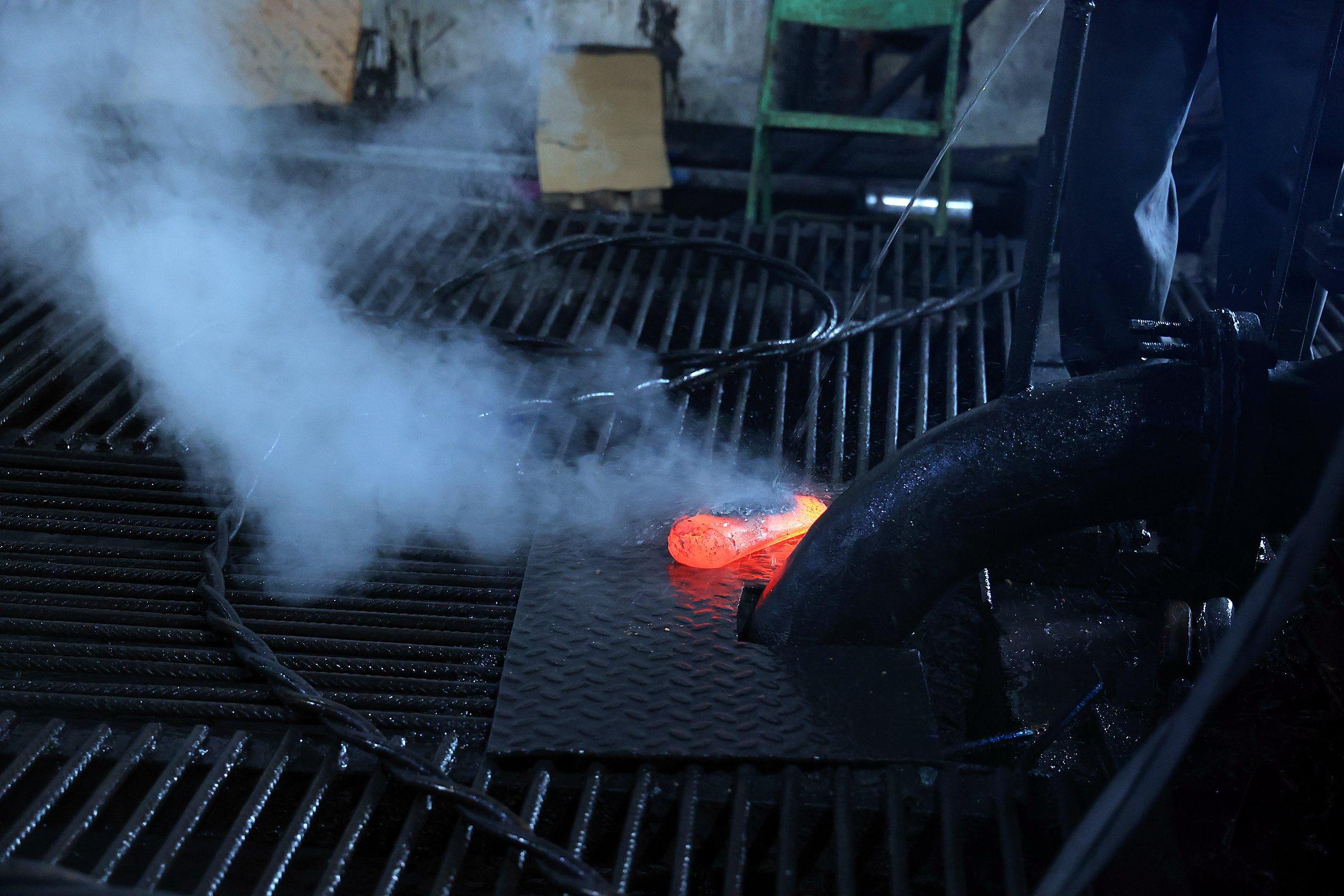
Rolling Mill & Quenching
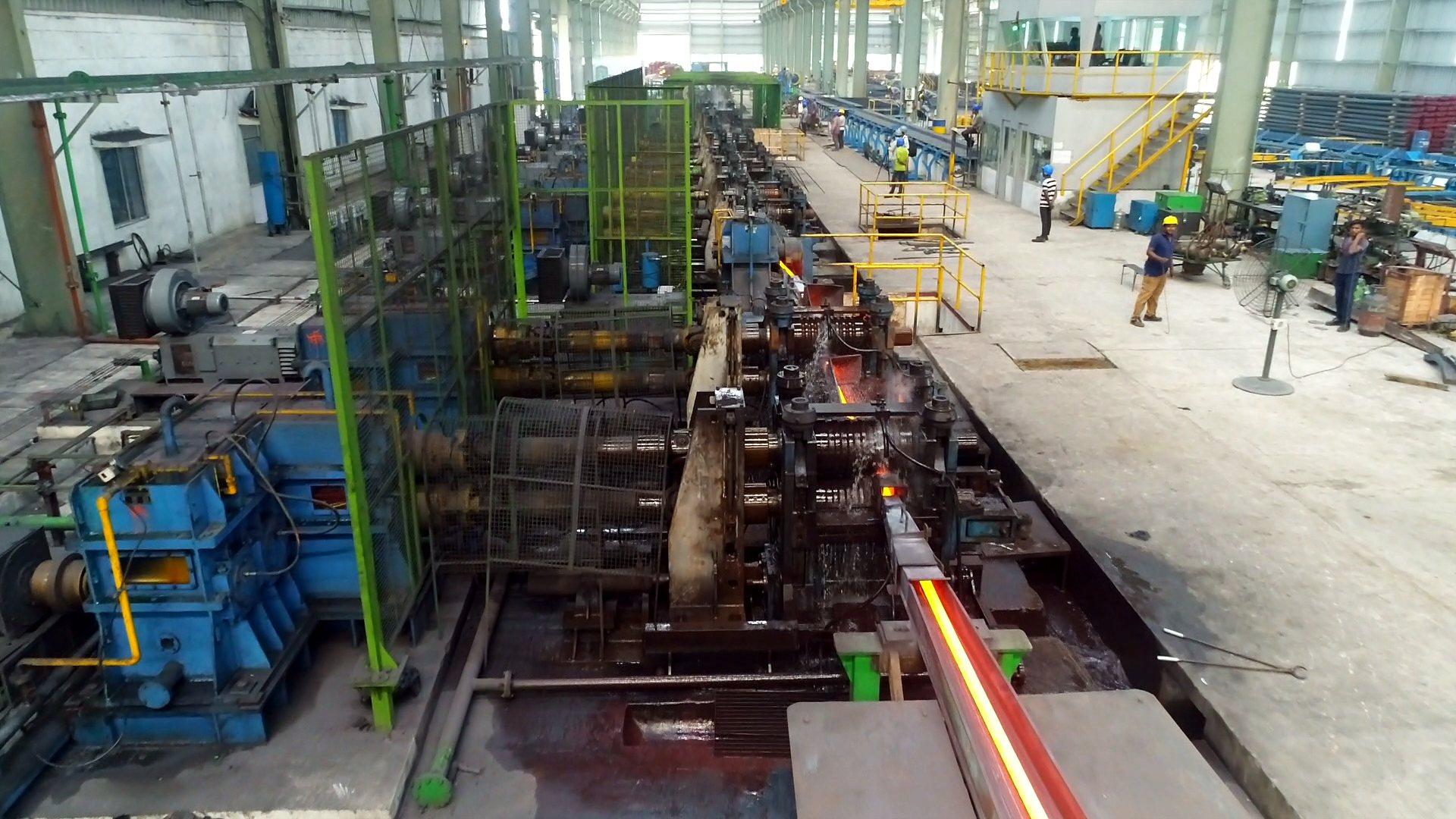
Billets are rolled in automated mills with tungsten carbide rolls and treated through German Thermex® quenching, forming a tempered martensitic outer rim around an earthquake-resistant ductile core.
- Stage 05
Finished TMT Bars & Testing
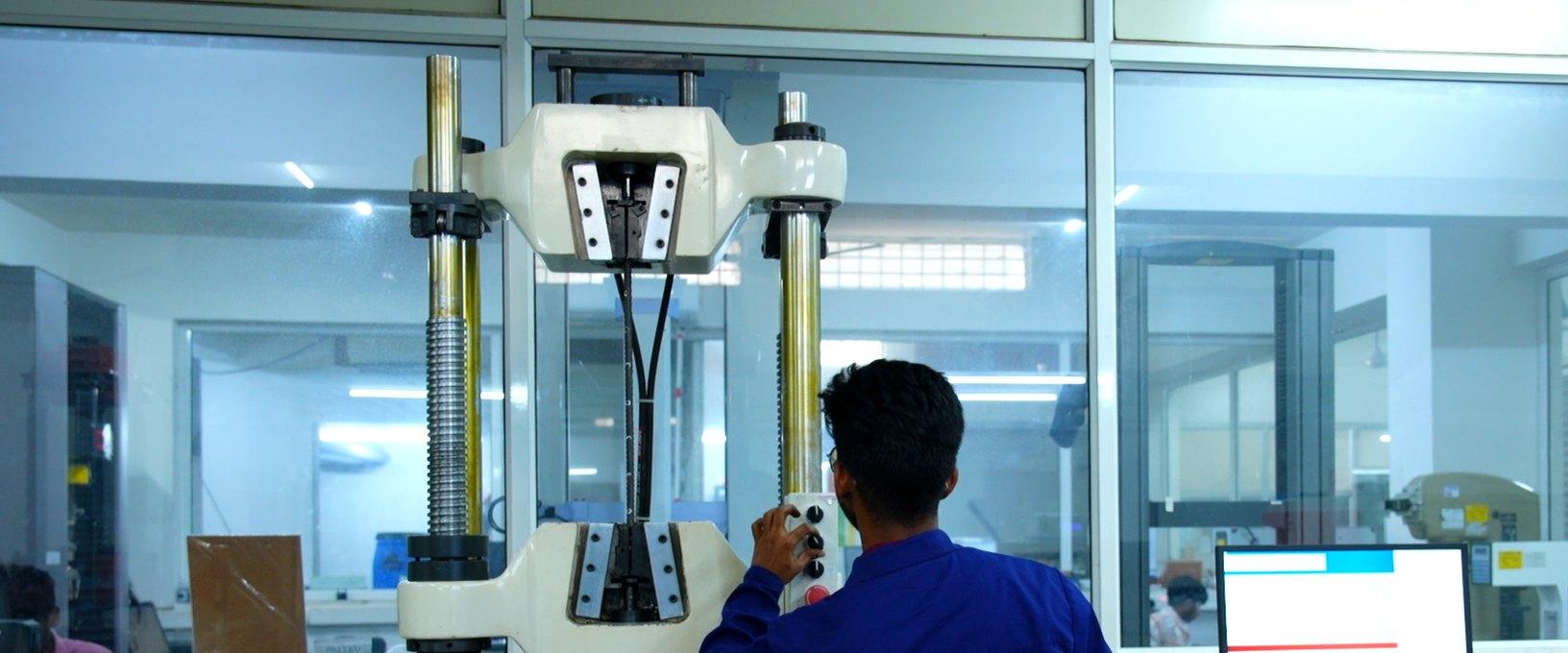
Every batch of MS Life 600+ CRS TMT bars undergoes rigorous tensile, 180° bend, re-bend and corrosion testing to surpass IS 1786:2008 standards before tagging and dispatch.
- Stage 06
Cut & Bend & Dispatch
Automated Cut & Bend processing delivers customized, project-ready steel shapes directly to construction sites, accompanied by authentic batch test certificates.
Control the route, control the quality
Quality control
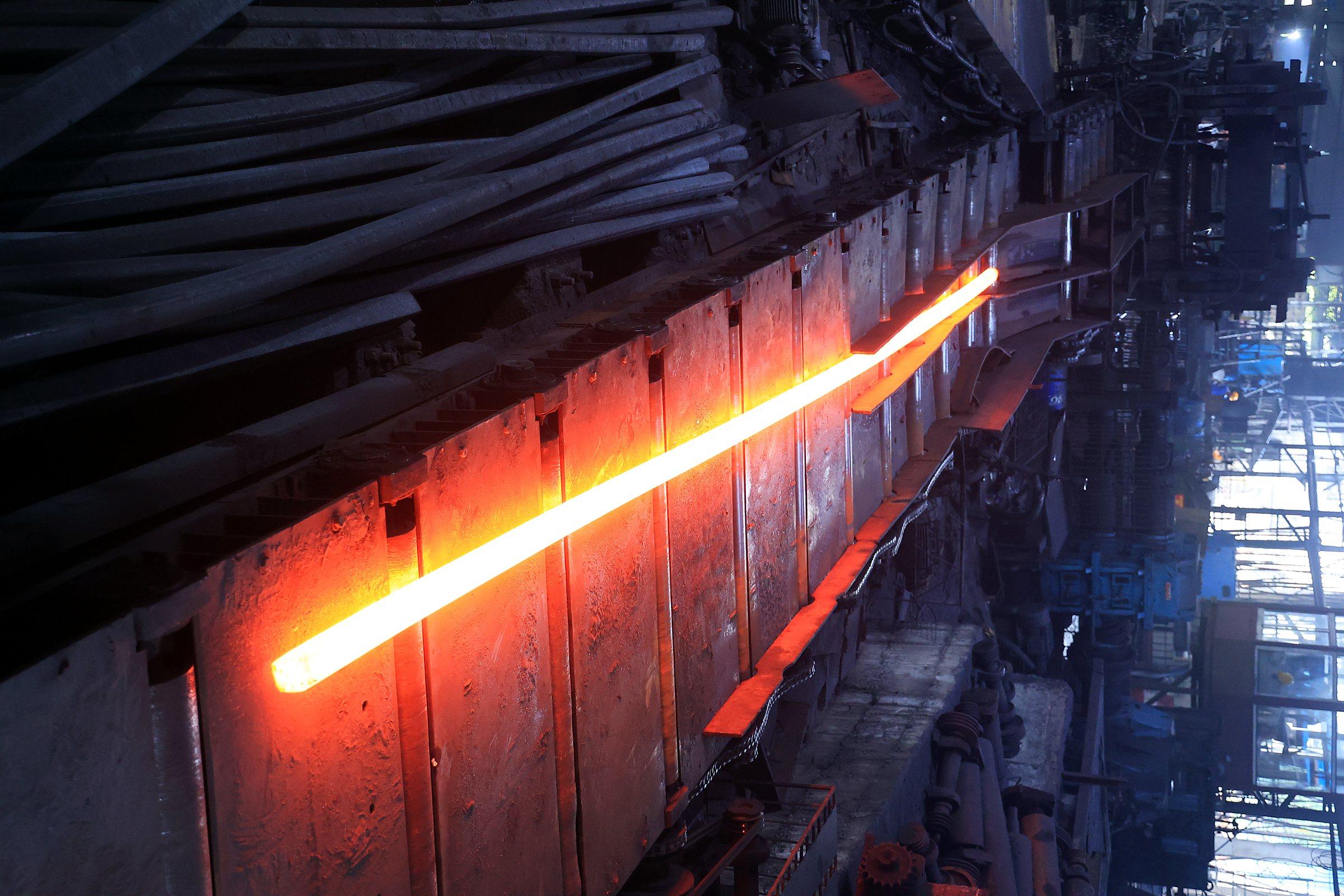
Products surpass BIS standards because chemistry is set at our own kiln, DRI and caster, not bought in as billets.
Cost control
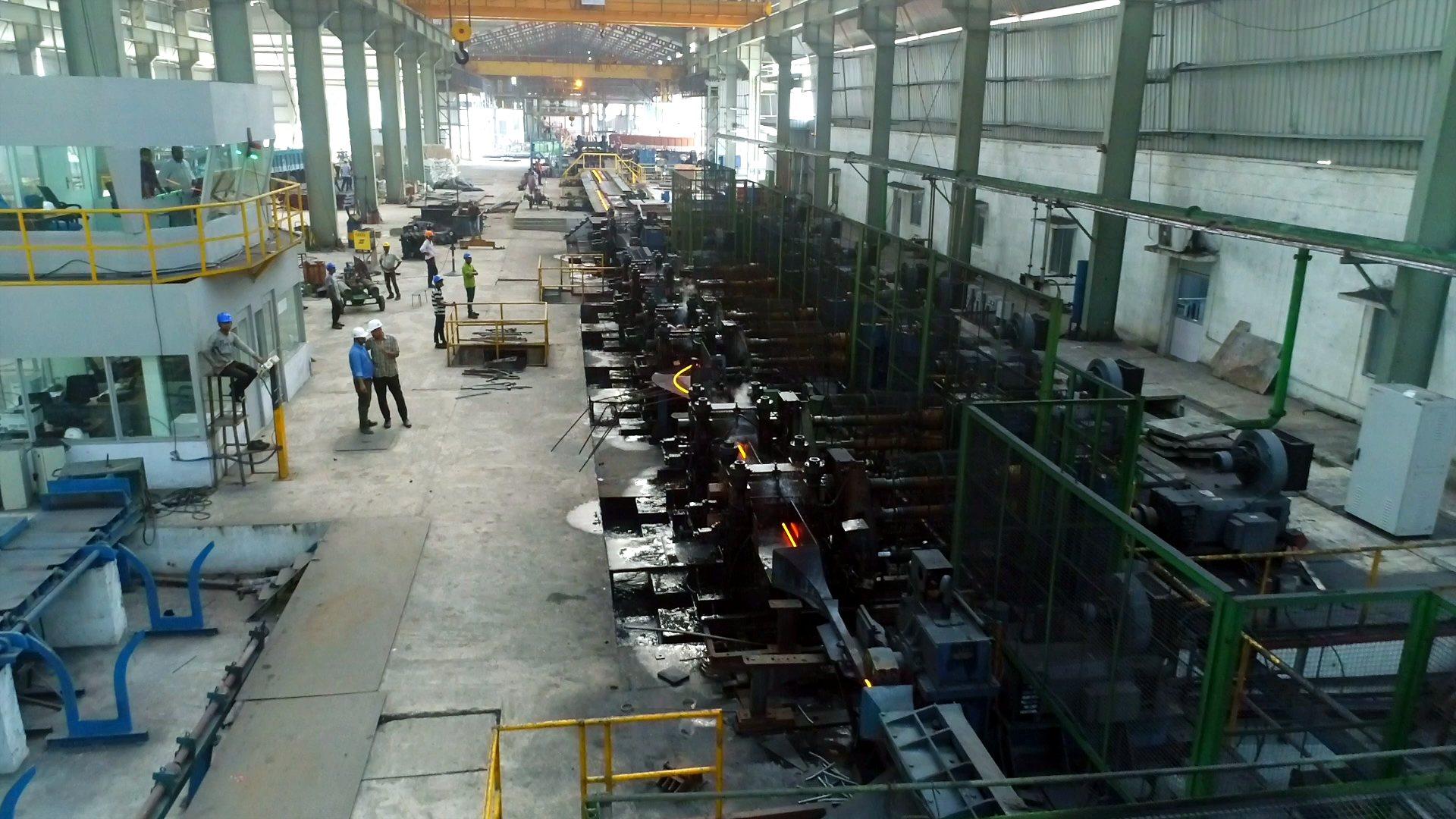
Primary steel with no harmful ingredients, produced at scale across three manufacturing units. That efficiency reaches the dealer price.
Delivery reliability
Strategically located plants and 750+ channel partners mean steel reaches sites across South India on time.
Four units, 450+ acres
Tested at the caster. Tested after the roll.
Chemical testing
Material is tested with chemical processes that begin within the continuous billet caster.
Controlled rolling
Fully automated rolling mills equipped with controlled process monitoring devices and tungsten carbide rolls.
Final testing
Final testing ensures the quality output before bars are bundled, tagged and dispatched throughout India.
Every batch has to earn its stamp
Samples are drawn from the batch and put through mechanical, chemical and corrosion testing before the bars leave the plant. These are frames from our own testing footage.
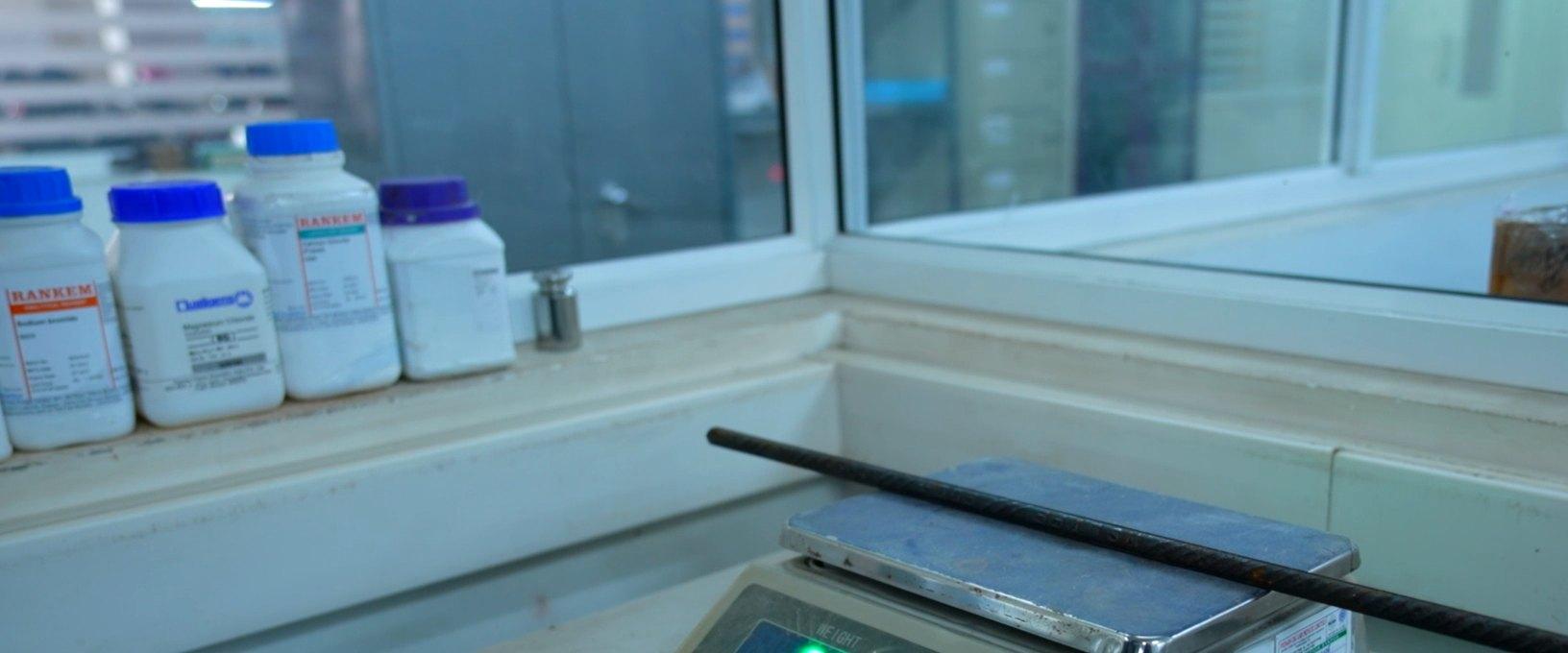 01
Sample weighing
Unit weight per metre checked against the tolerance for the size.
- 02
Tensile test
Yield strength, ultimate tensile strength and elongation on the universal testing machine.
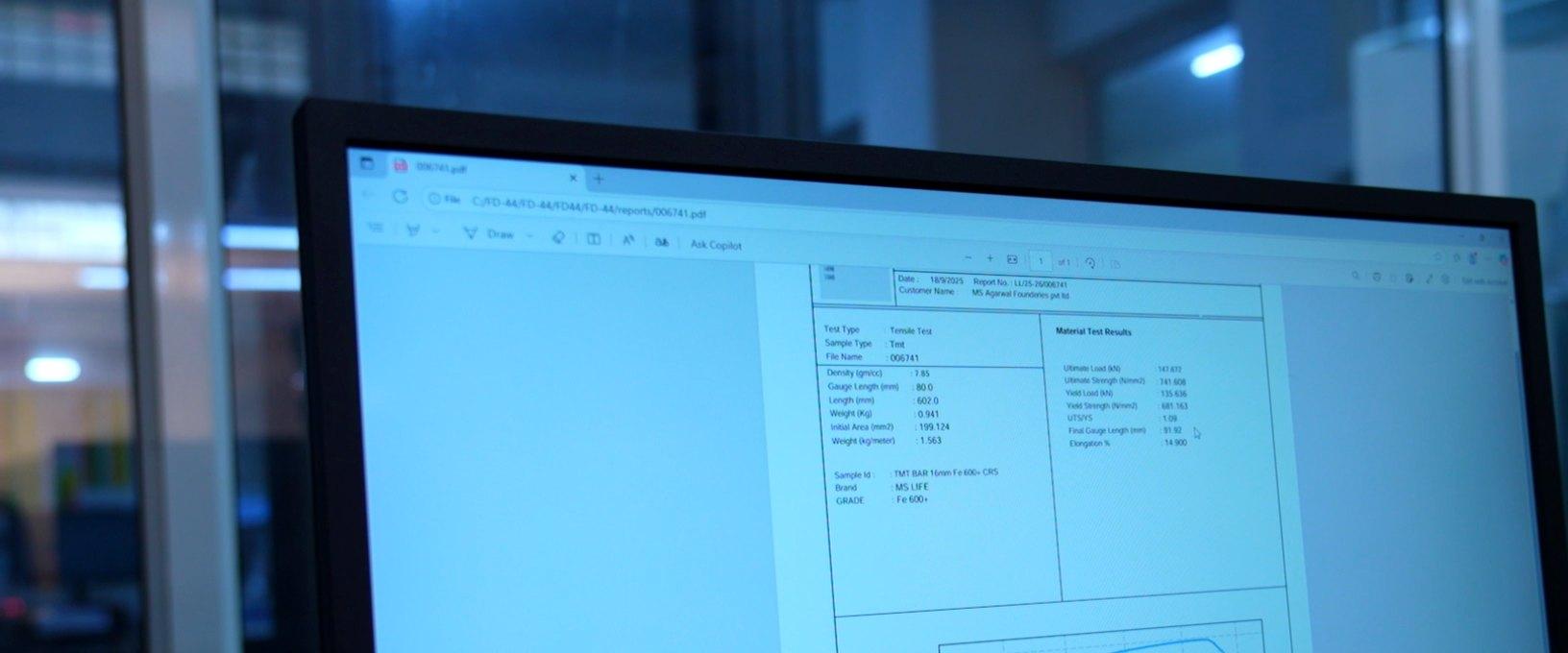 03
Load trace
The load and extension recorded for the sample under test.
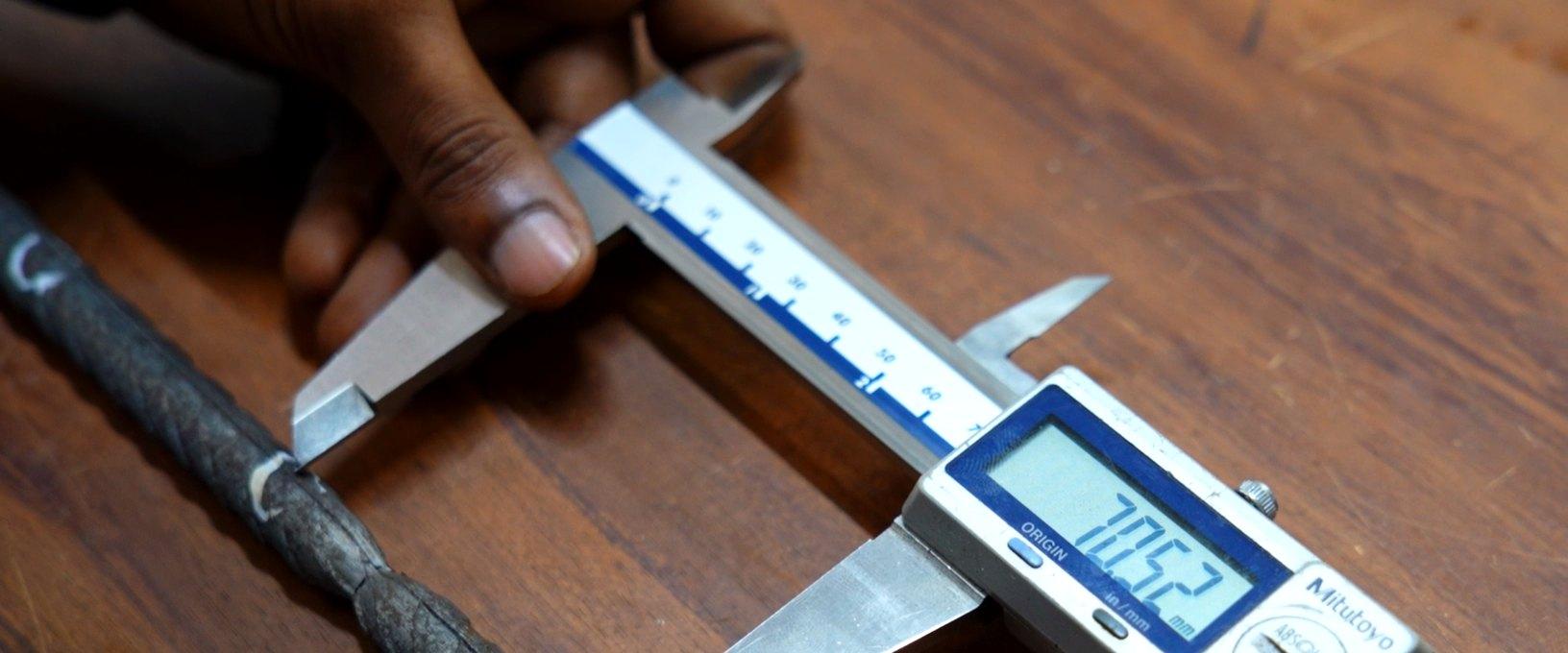 04
Gauge length
Elongation measured across a marked gauge length with a digital caliper.
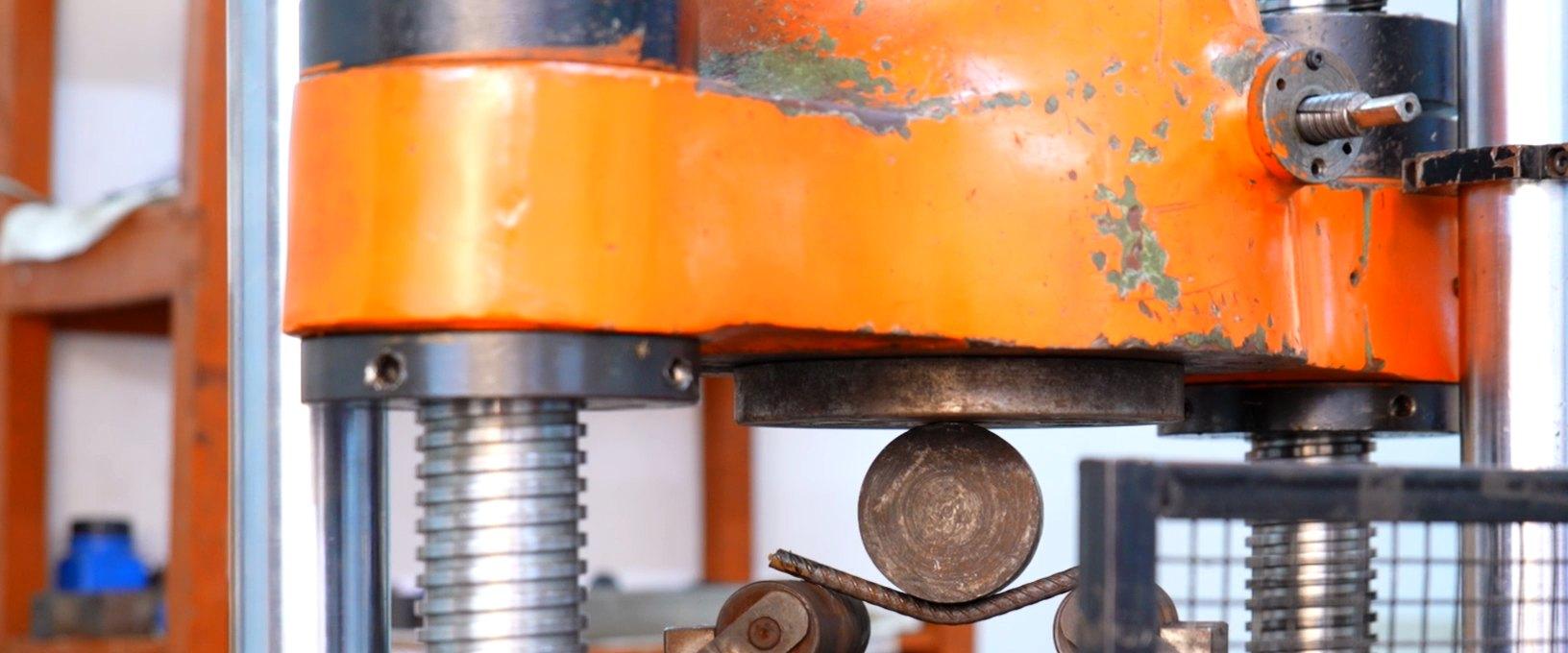 05
Bend test
The bar bent around a mandrel under load on the bend press.
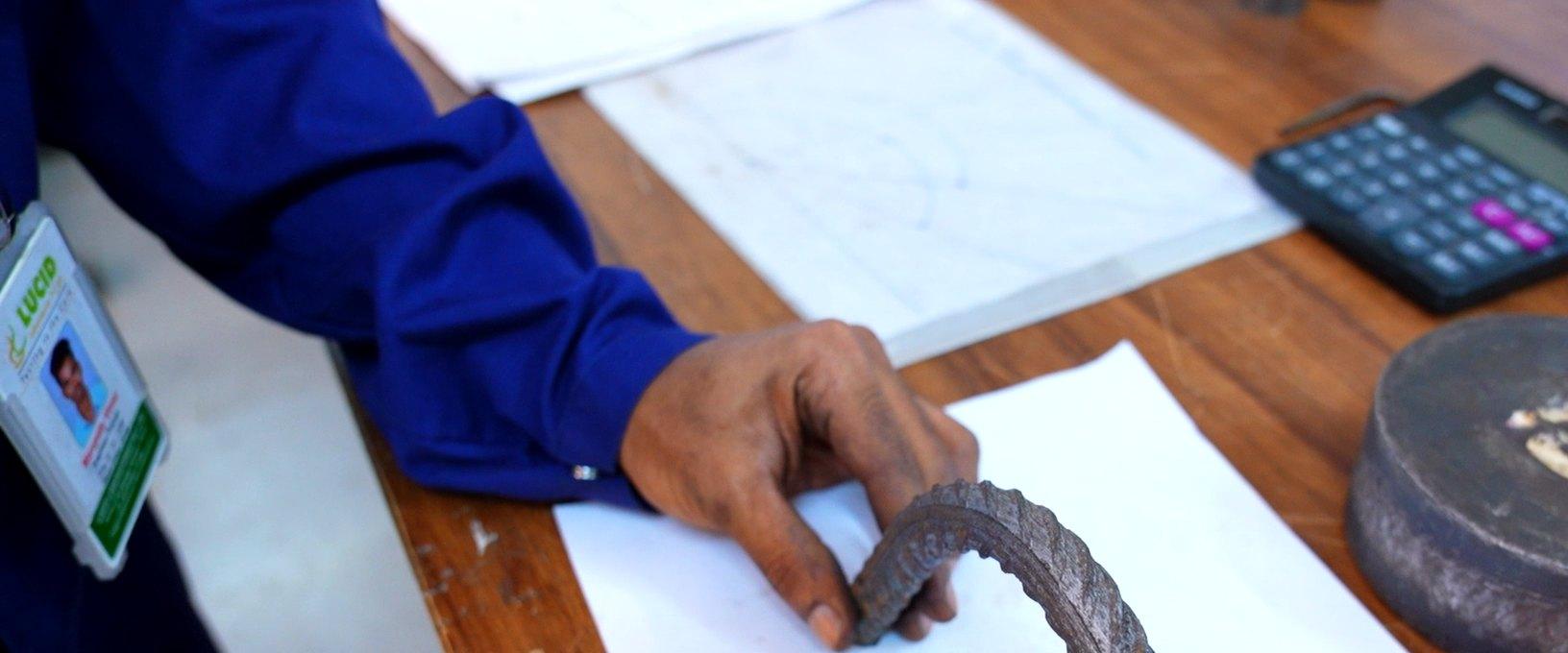 06
Bend inspection
The bent sample examined for cracks along the outer face.
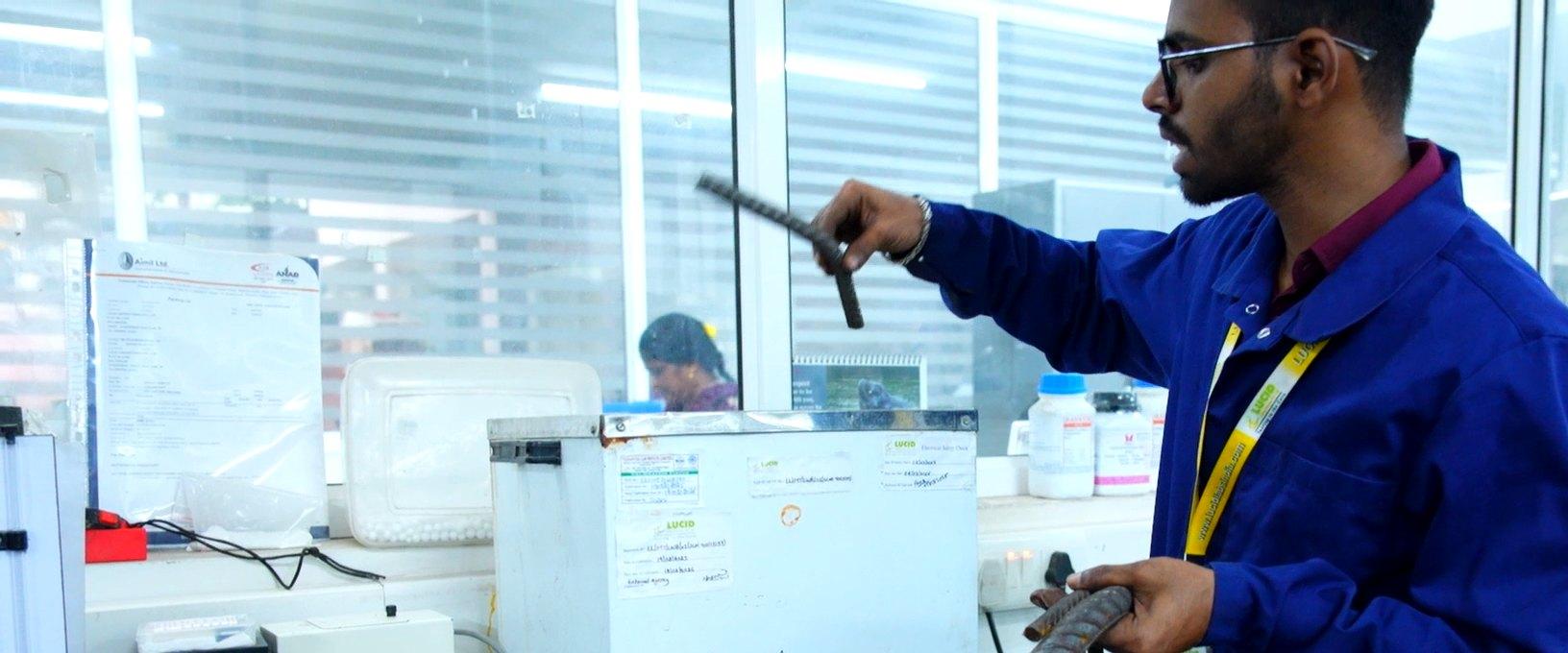 07
Boiling water ageing
Samples held in boiling water for thirty minutes before they are bent again.
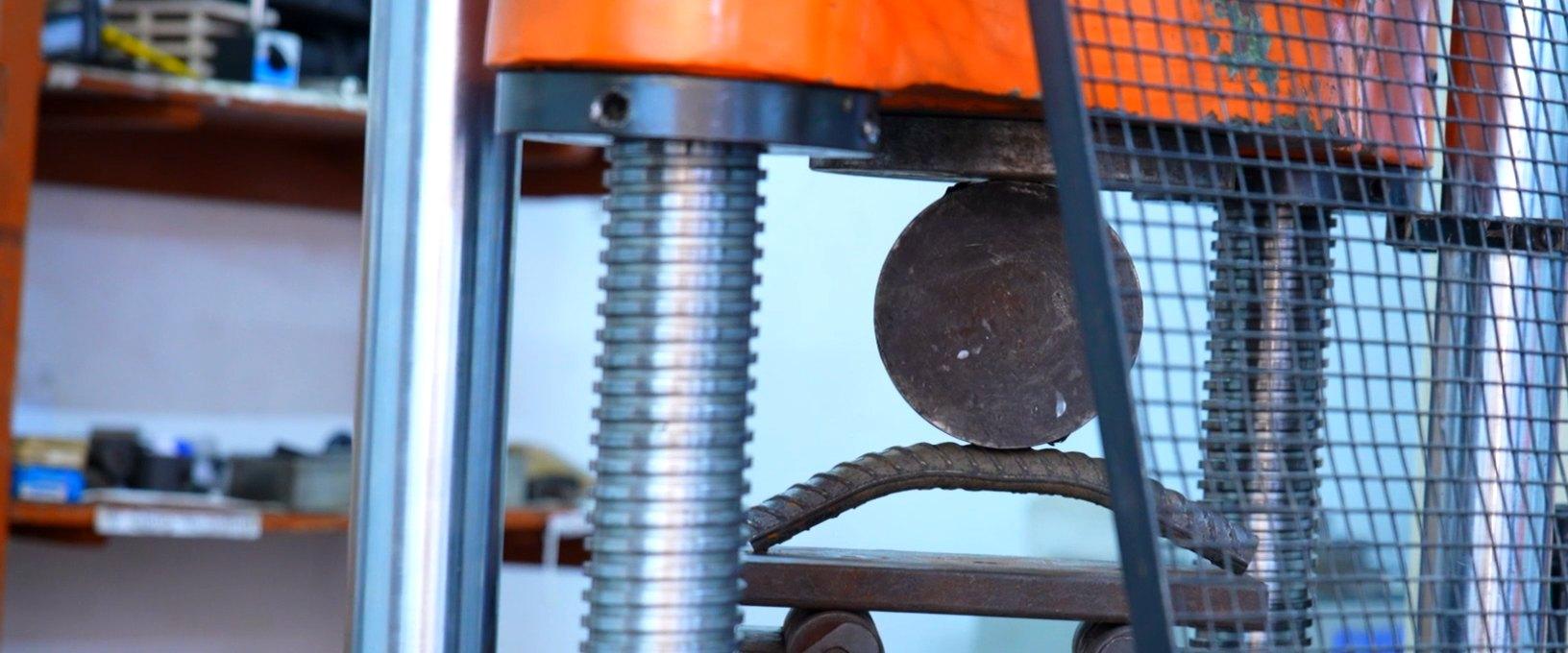 08
Re-bend
The aged sample re-bent and checked once more for cracks.
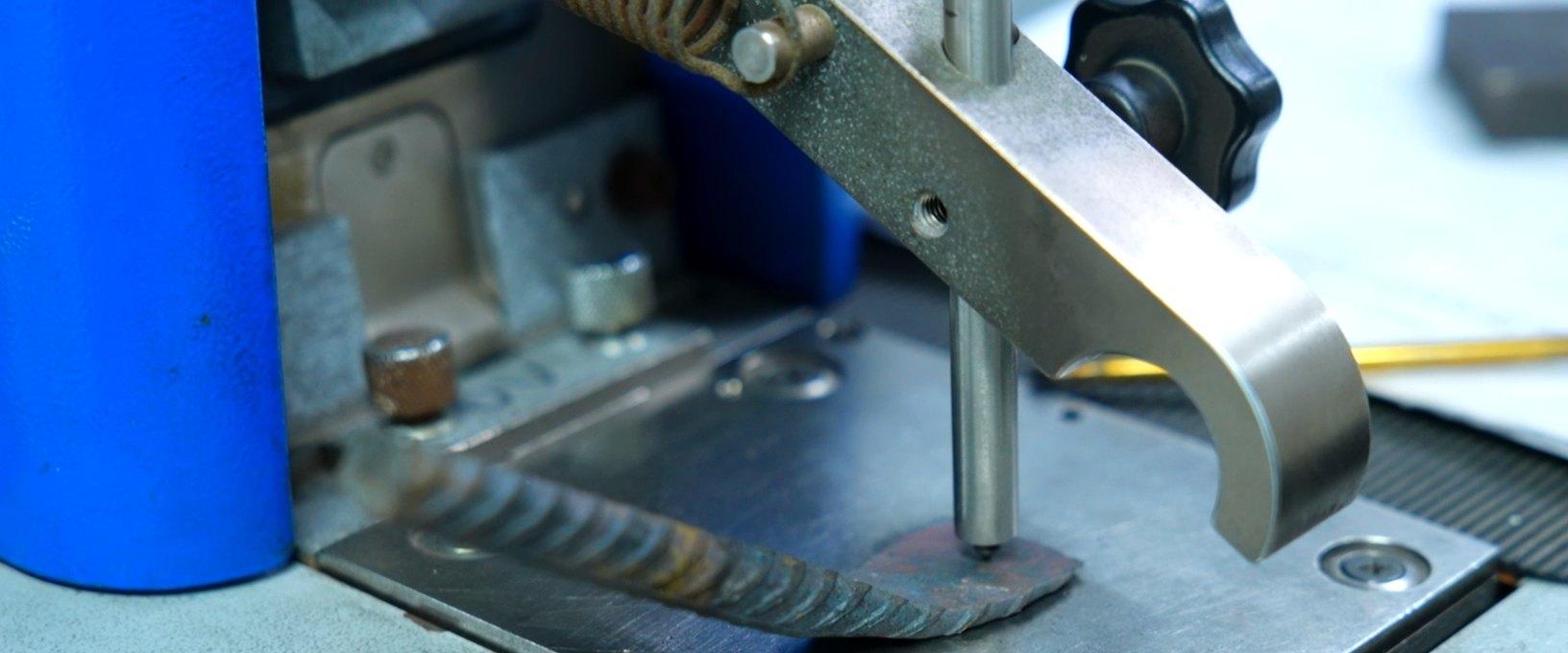 09
Chemical analysis
Composition read on the optical emission spectrometer.
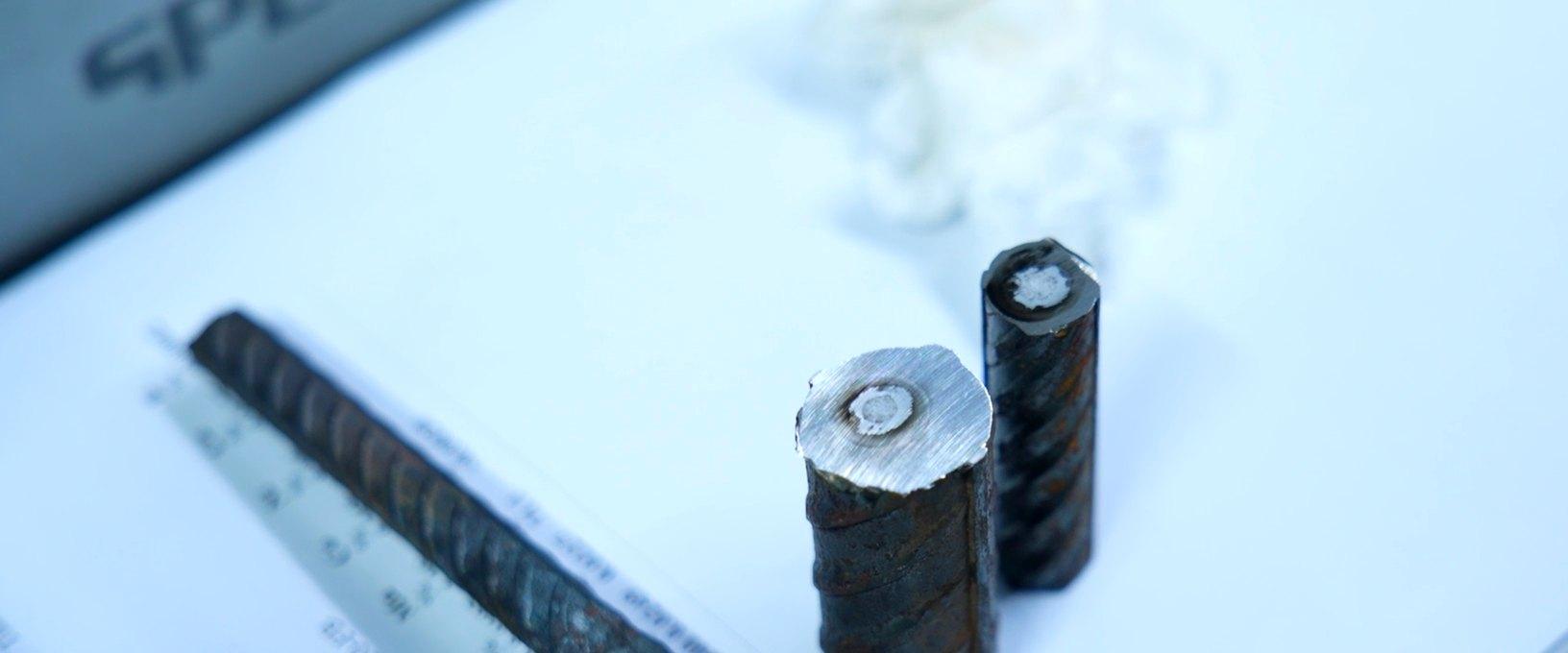 10
Test coupons
Specimens cut and faced for chemical analysis.
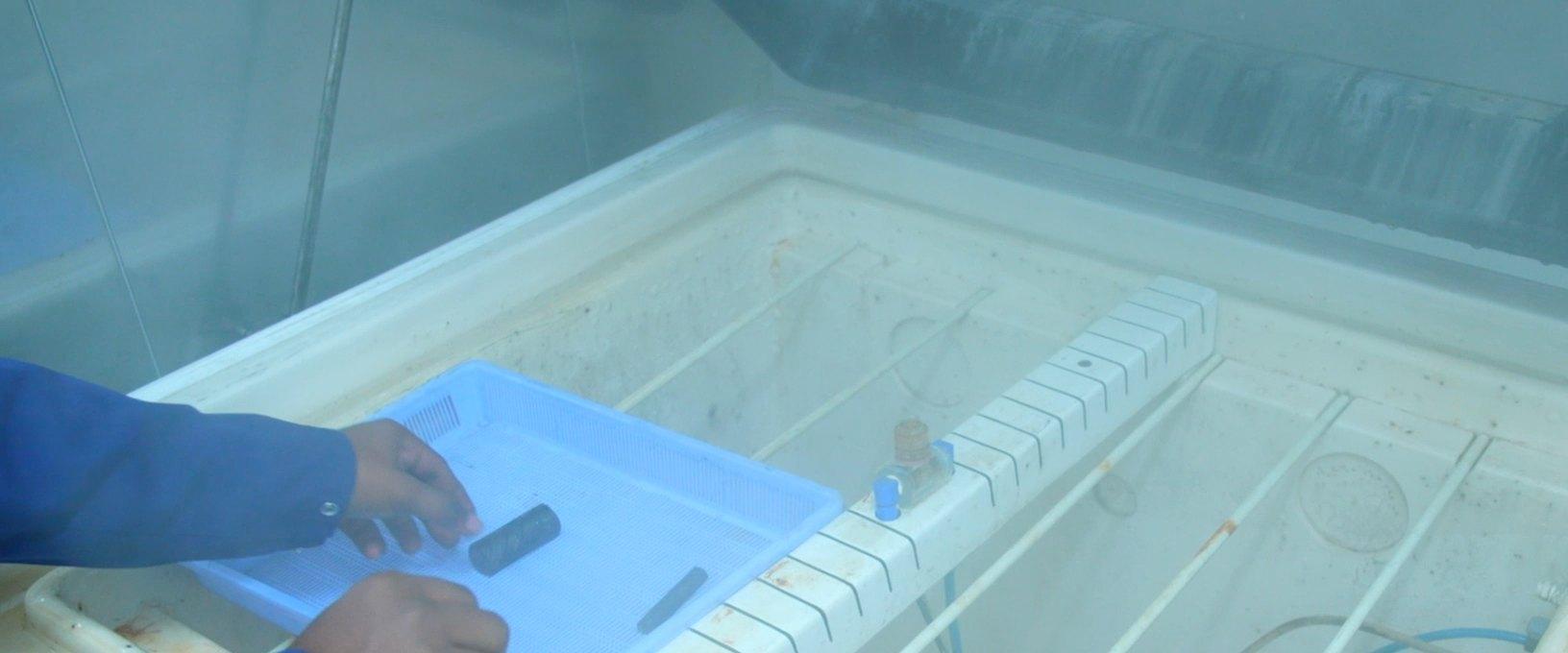 11
Salt-spray chamber
Corrosion resistance assessed in a salt-fog cabinet.
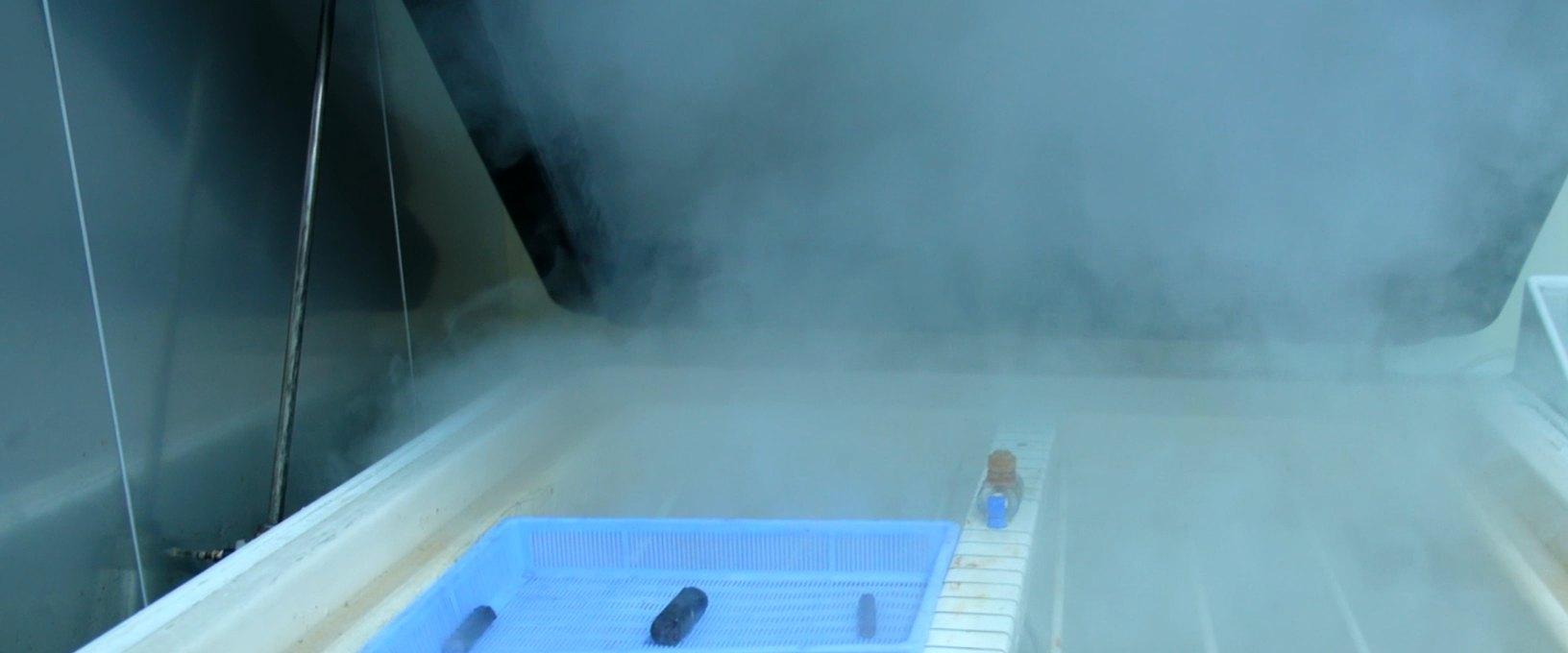 12
After the salt fog
Samples drawn from the chamber for surface assessment.
 13
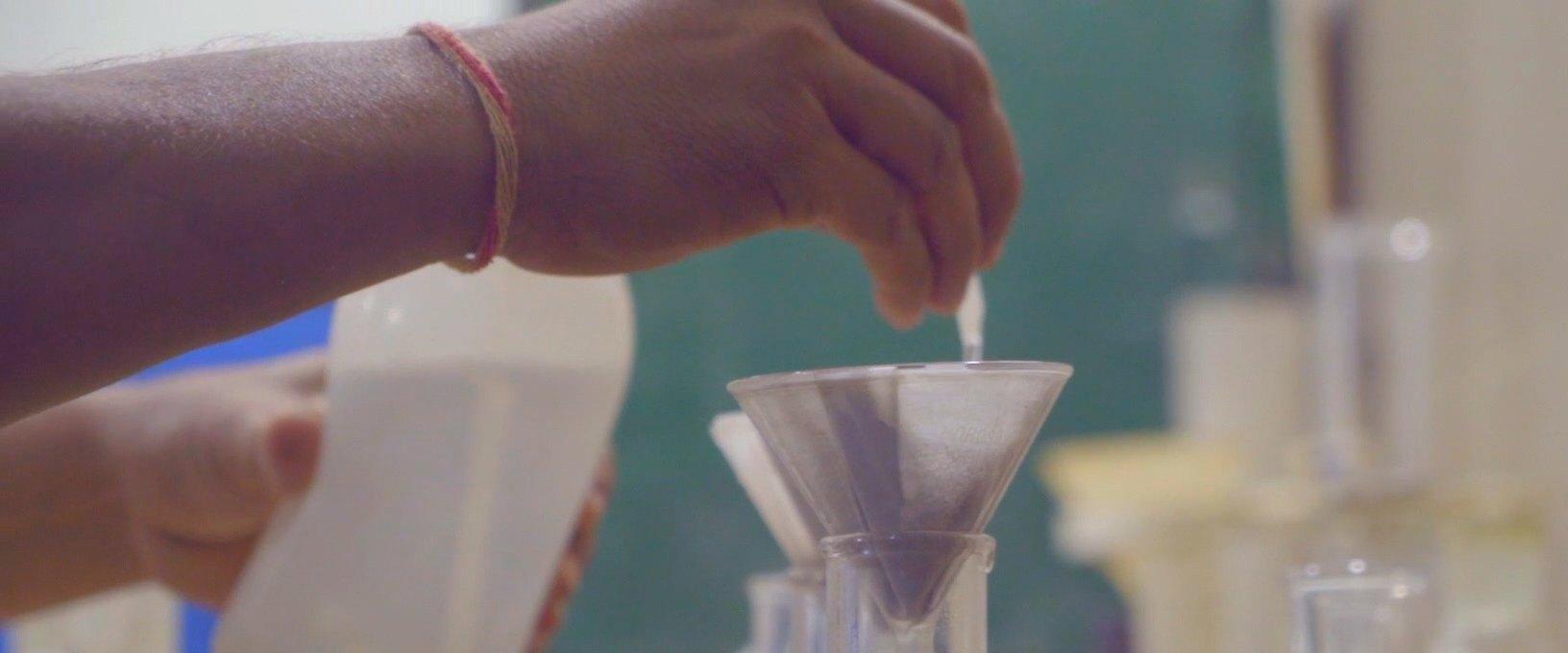
Wet chemistry
Bench chemistry backing up the instrument readings.
 14
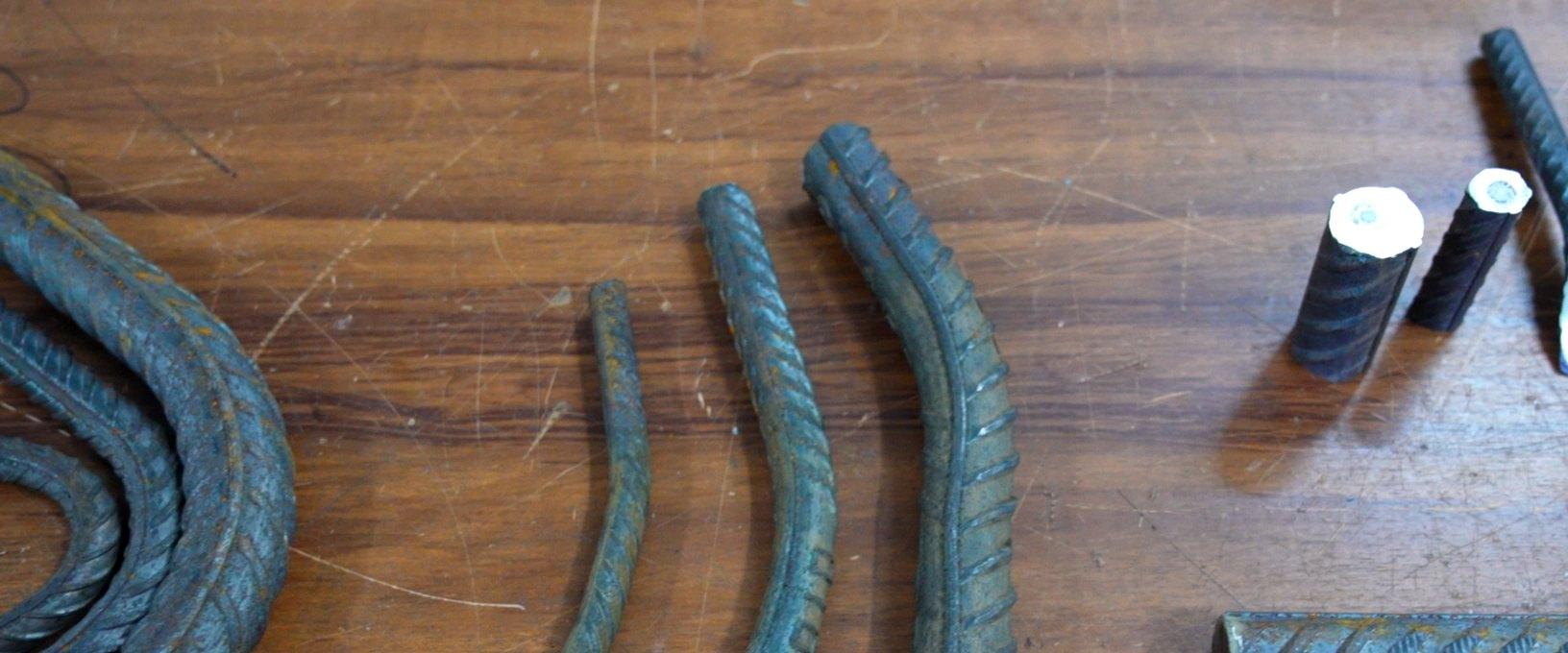
After testing
Bent, re-bent and fractured samples kept as the record for the batch.
Get today's RCP price
Transparent recommended consumer price, displayed at every dealer outlet. Sold per piece, with no weighment hassle.
Stronger together. Join the MS Life dealership today
We are expanding to create a pool of MS Life dealers across India. Grow with a primary steel manufacturer.